QUYLLUR α
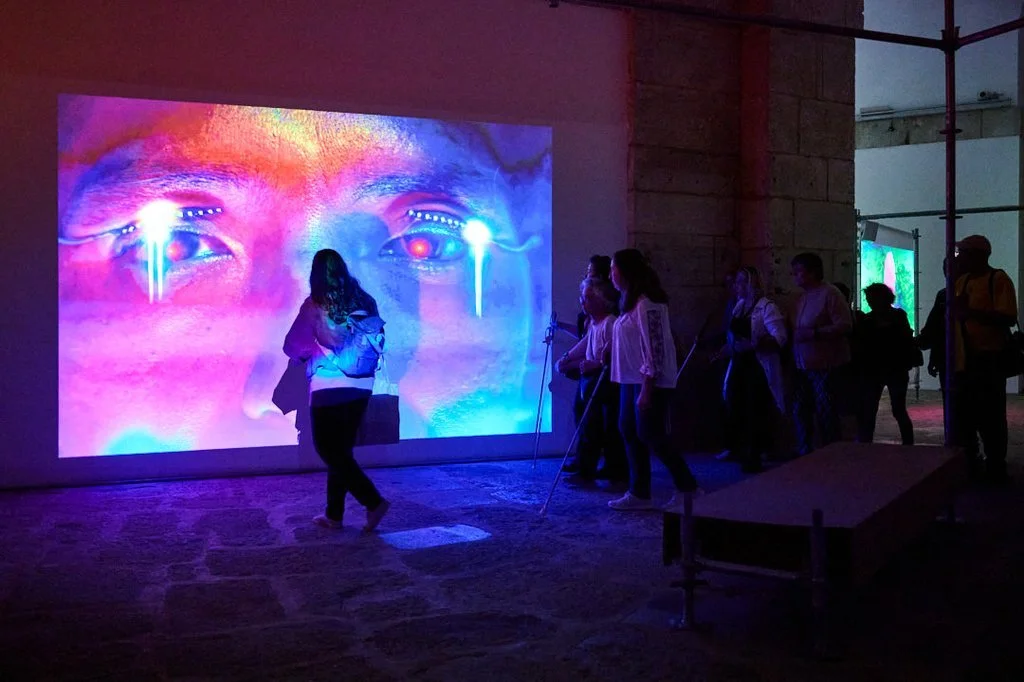
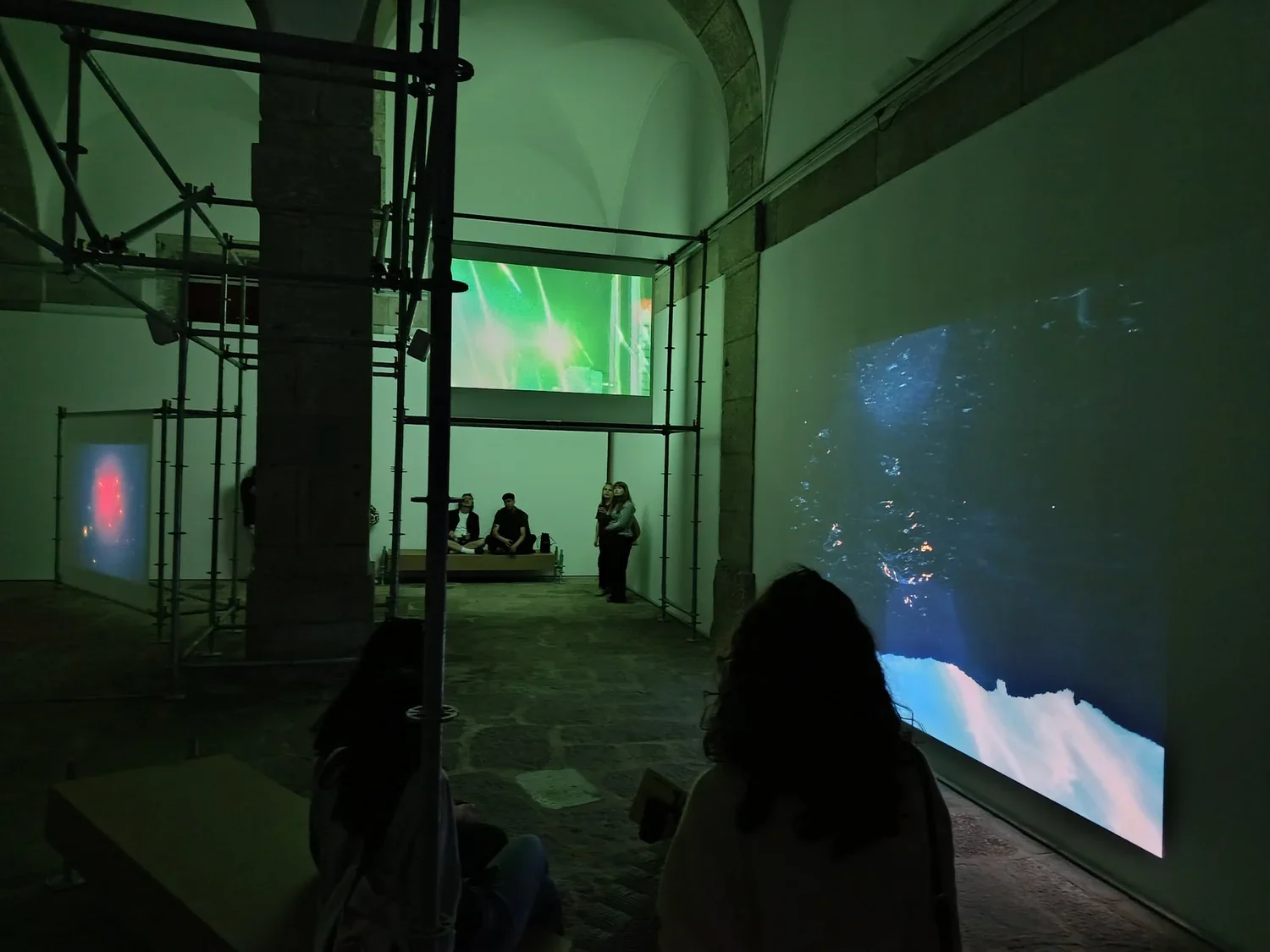
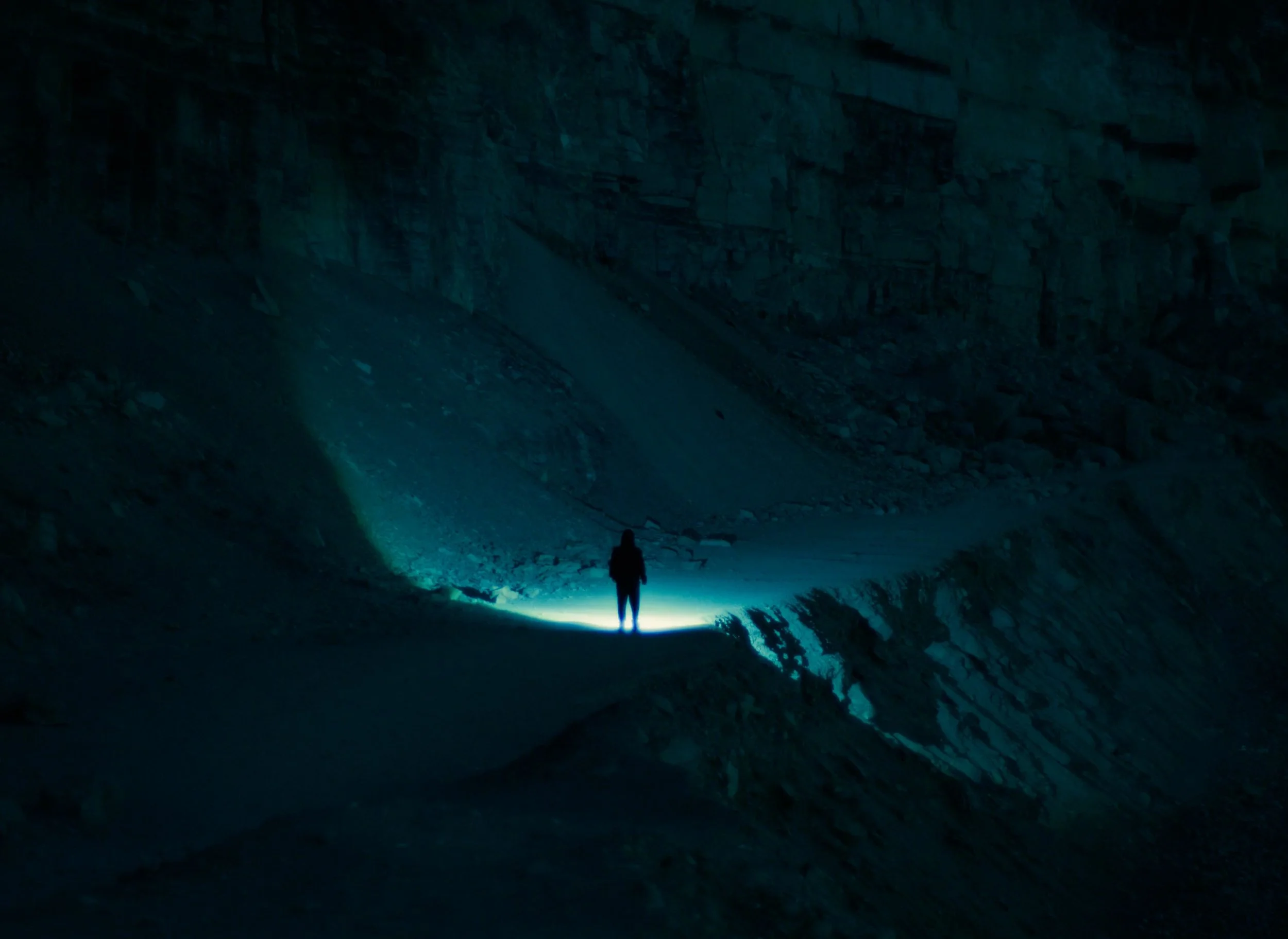
El Colectivo Pariacaca se nutre de elementos cósmicos como las estrellas y las montañas como metáforas para reflexionar sobre la existencia humana, explorando los conceptos de pertenencia y conexión a través de una intersección entre antiguas historias y rituales prehispánicos y la vida contemporánea. Quyllur α, "la estrella más brillante" en quechua, profundiza en la experiencia humana de confrontar el sufrimiento, destacando nuestra conexión con las estrellas a través del acto instintivo de buscar luz y guía, y a través de la idea de que nosotros, los humanos, estamos hechos de "polvo de estrellas."
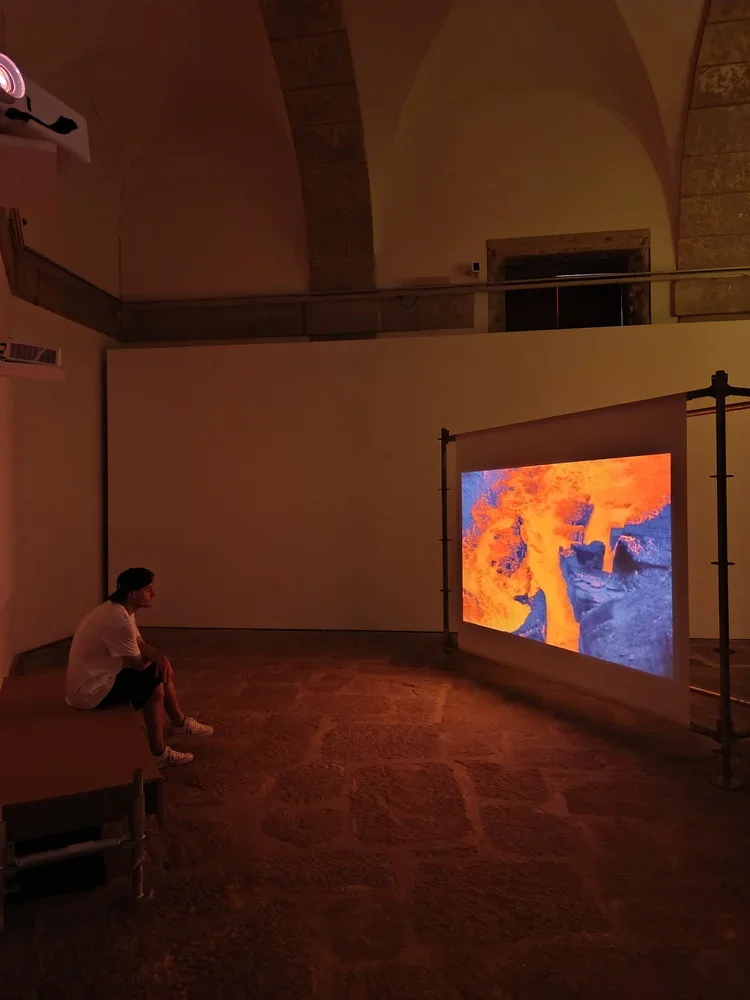
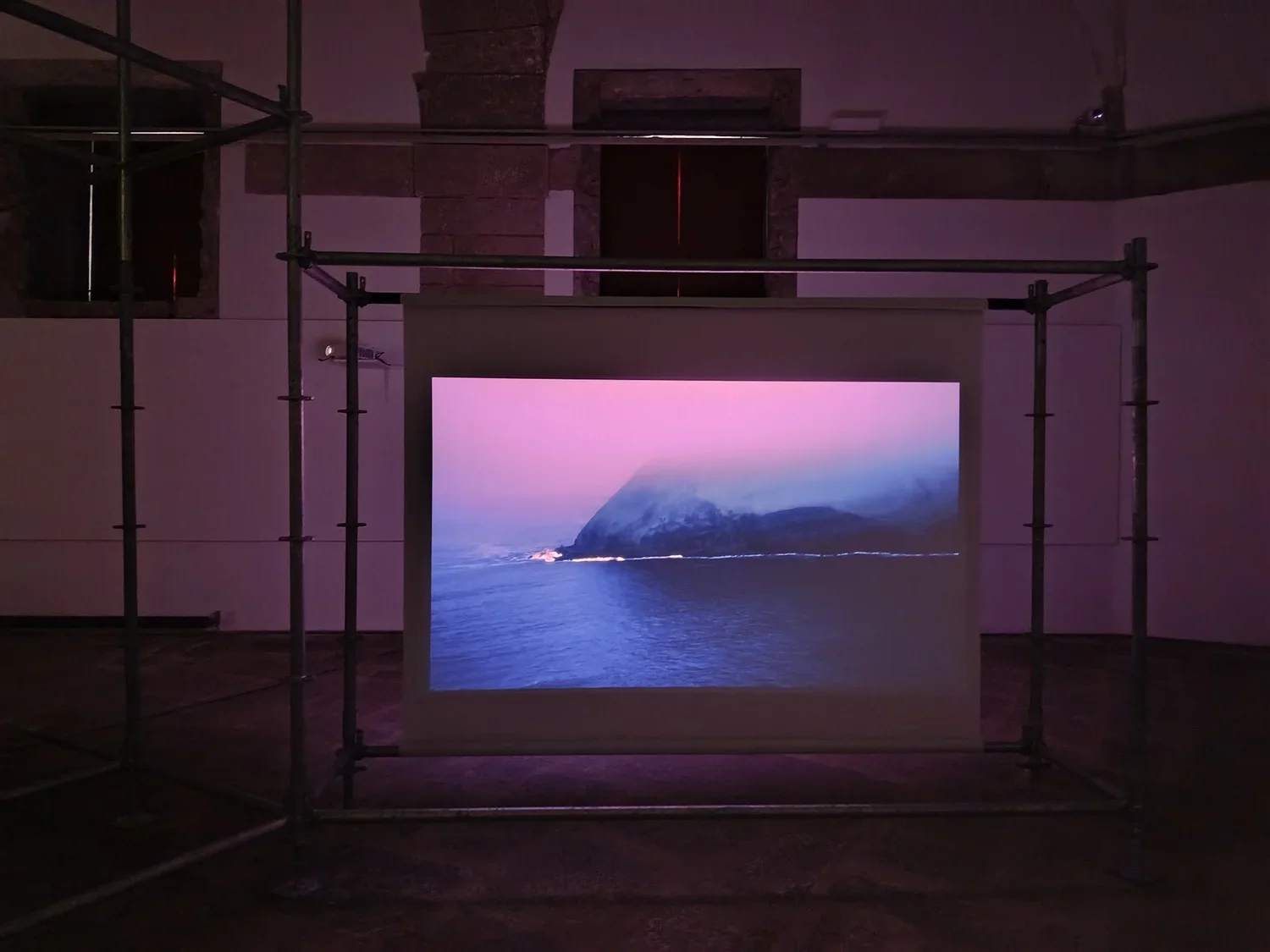
El encuentro con una estrella ficticia conduce a una exploración inmersiva que fusiona ceremonias ancestrales con tecnología contemporánea. Filmada en distintos lugares de Lima, la película adopta un estilo visual crudo que evoca la proto fotografía, presentando un viaje introspectivo que oscila entre el mundo físico y los reinos sobrenaturales.
- Sergio Valenzuela Escobedo
The Pariacaca Collective draws on cosmic elements such as stars and mountains as metaphors to reflect on human existence, exploring the concepts of belonging and connection through an intersection of ancient pre-Hispanic stories and rituals with contemporary life. Quyllur α, “the brightest star” in Quechua, delves into the human experience of confronting suffering, highlighting our connection to the stars through the instinctive act of seeking light and guidance, and through the idea that we, humans, are made of “stardust.”
The encounter with a fictional star leads to an immersive exploration that merges ancient ceremonies with modern technology. Filmed in various locations across Lima, the film adopts a raw visual style reminiscent of proto-photography, presenting an introspective journey that shifts between the physical world and supernatural realms.
- Sergio Valenzuela Escobedo
La expresión “escribir con luz”, en relación con la fotografía, proviene de la etimología griega phôtós, que significa “luz”, y gráphô, “escribir”. Usada de manera indiscriminada, se ha convertido en un cliché dentro de esta forma de arte relativamente reciente que, hace casi dos siglos, revolucionó nuestra relación con el mundo. Pero en Portugal, en la Bienal de Fotografía de Oporto 2025, recupera todo su significado, impregnado de un alma singular.
En primer lugar, es el compromiso de sus dos directores artísticos —artistas ellos mismos— lo que ilumina esta joven bienal nacida en 2019. “Creemos en el arte y en la fotografía como motores de cambio”, afirman con entusiasmo Virgílio Ferreira y Jayne Dyer, quienes han diseñado un programa completamente gratuito y conectado con las problemáticas contemporáneas. “A Oporto le faltaba un evento así. Es una ciudad fotogénica, pero también una ciudad de la fotografía”, dice Ferreira, originario de la ciudad. El municipio invierte fuertemente en cultura, renueva espacios expositivos y apoya programas y becas para artistas. En Oporto hay energía para crear cosas, para avanzar —y no solo en el ámbito artístico.”
(...)
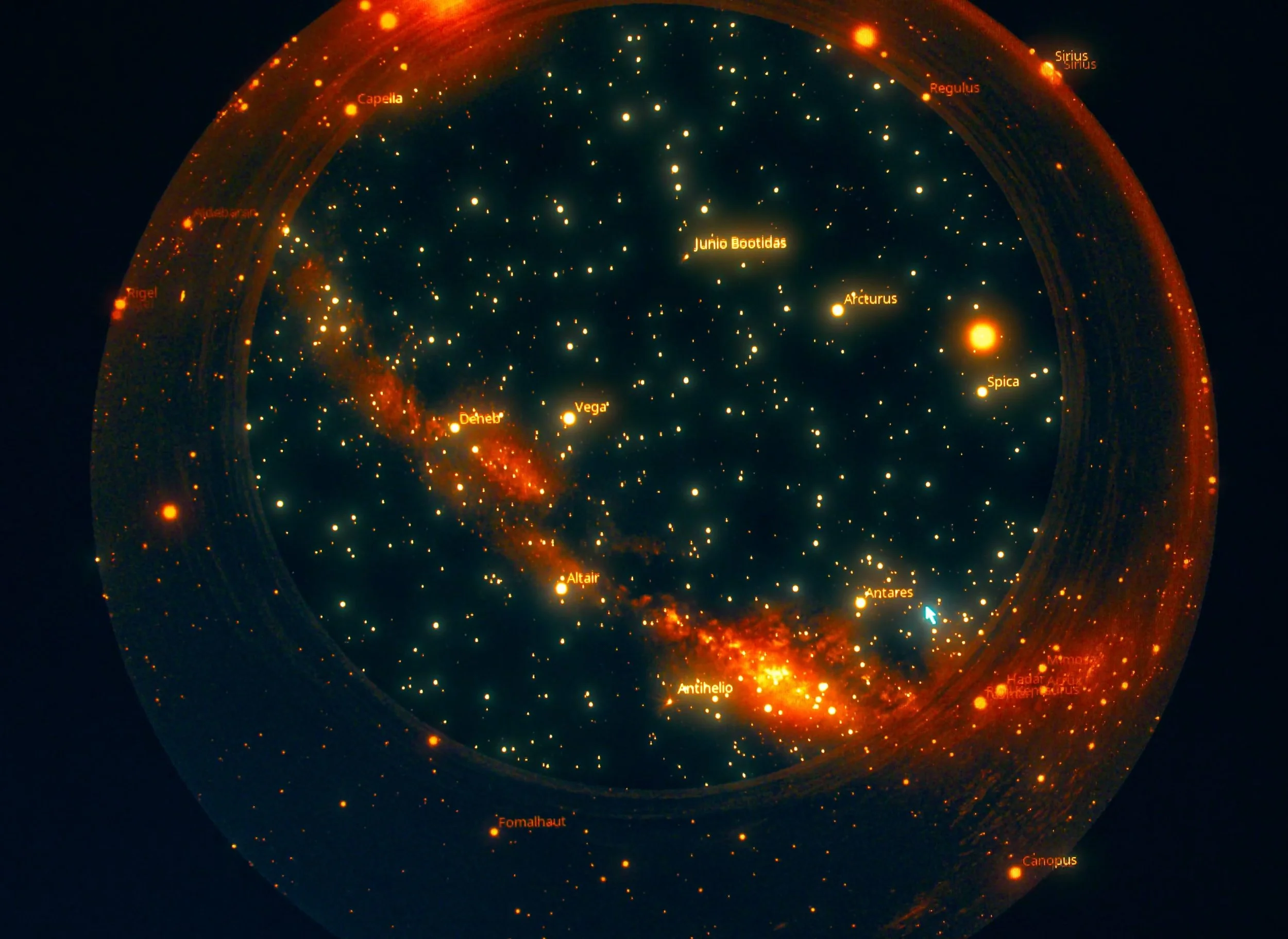
Observando la ruptura con los elementos naturales y la imposibilidad de ver el cielo en las ciudades contemporáneas, el colectivo peruano Pariacaca invoca una estrella ficticia: Quyllur α, “la estrella más brillante” en quechua.
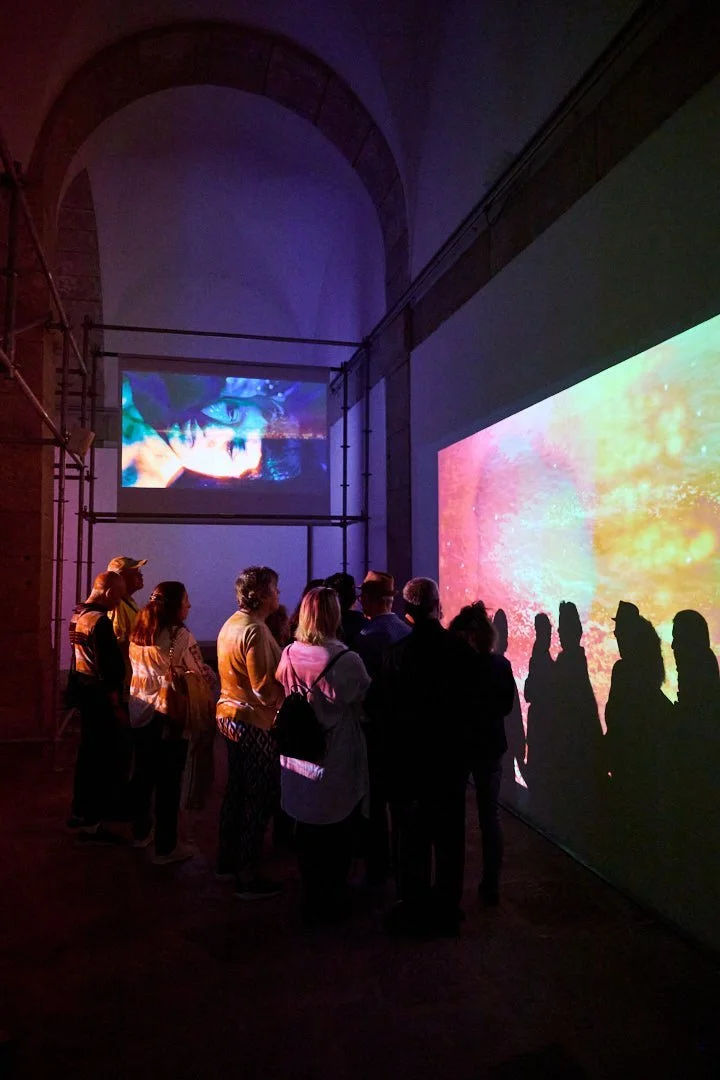
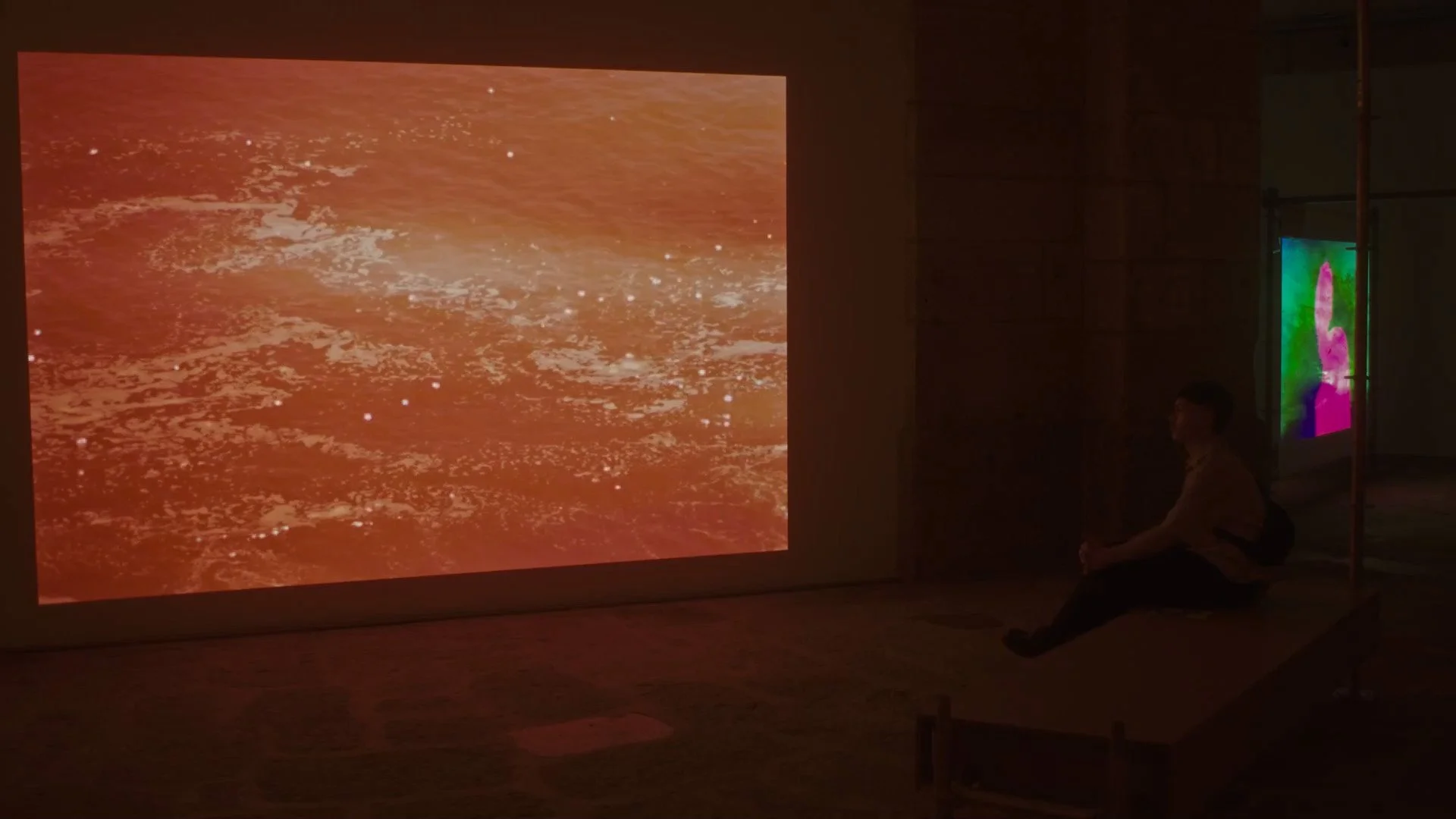
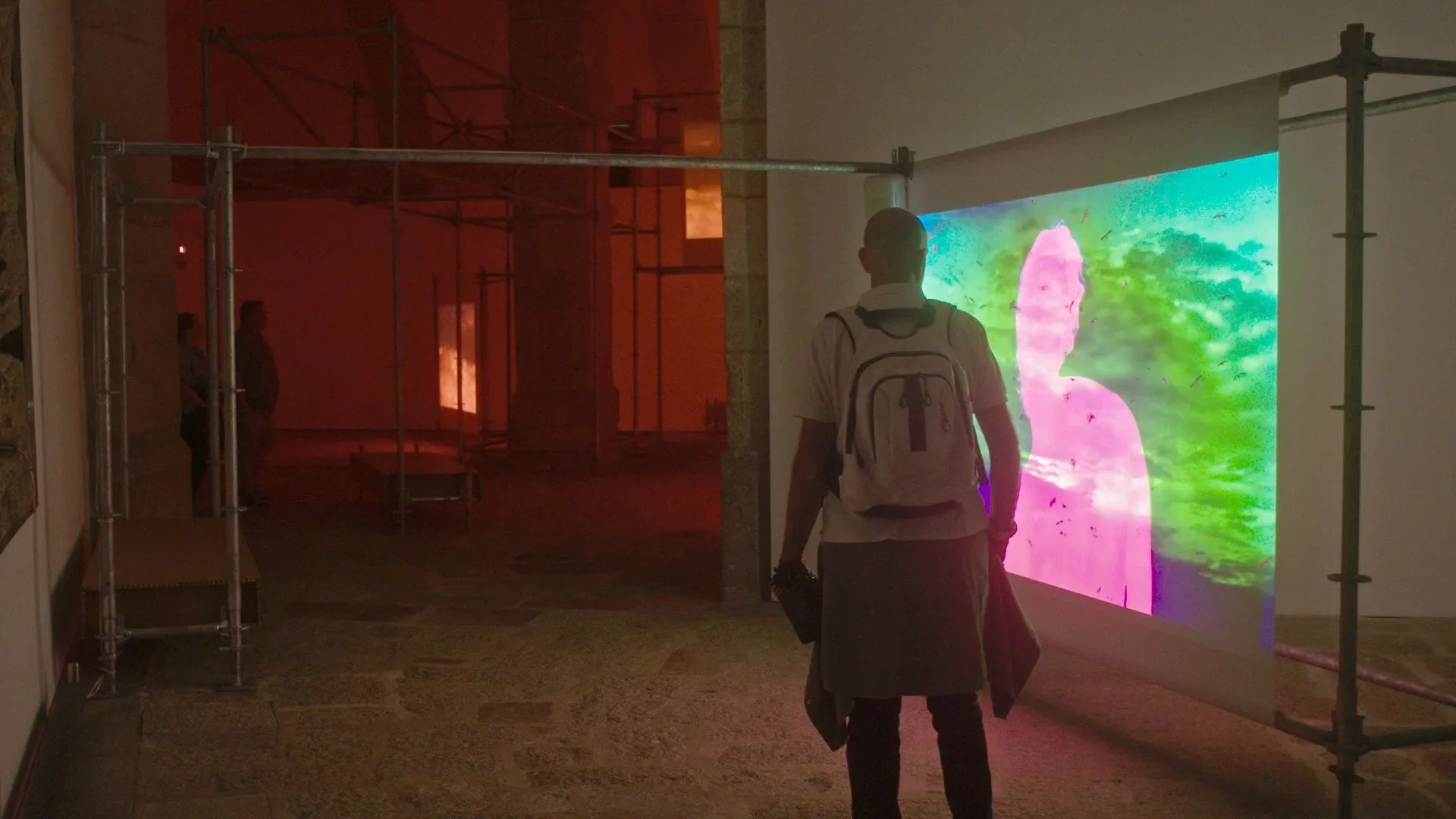
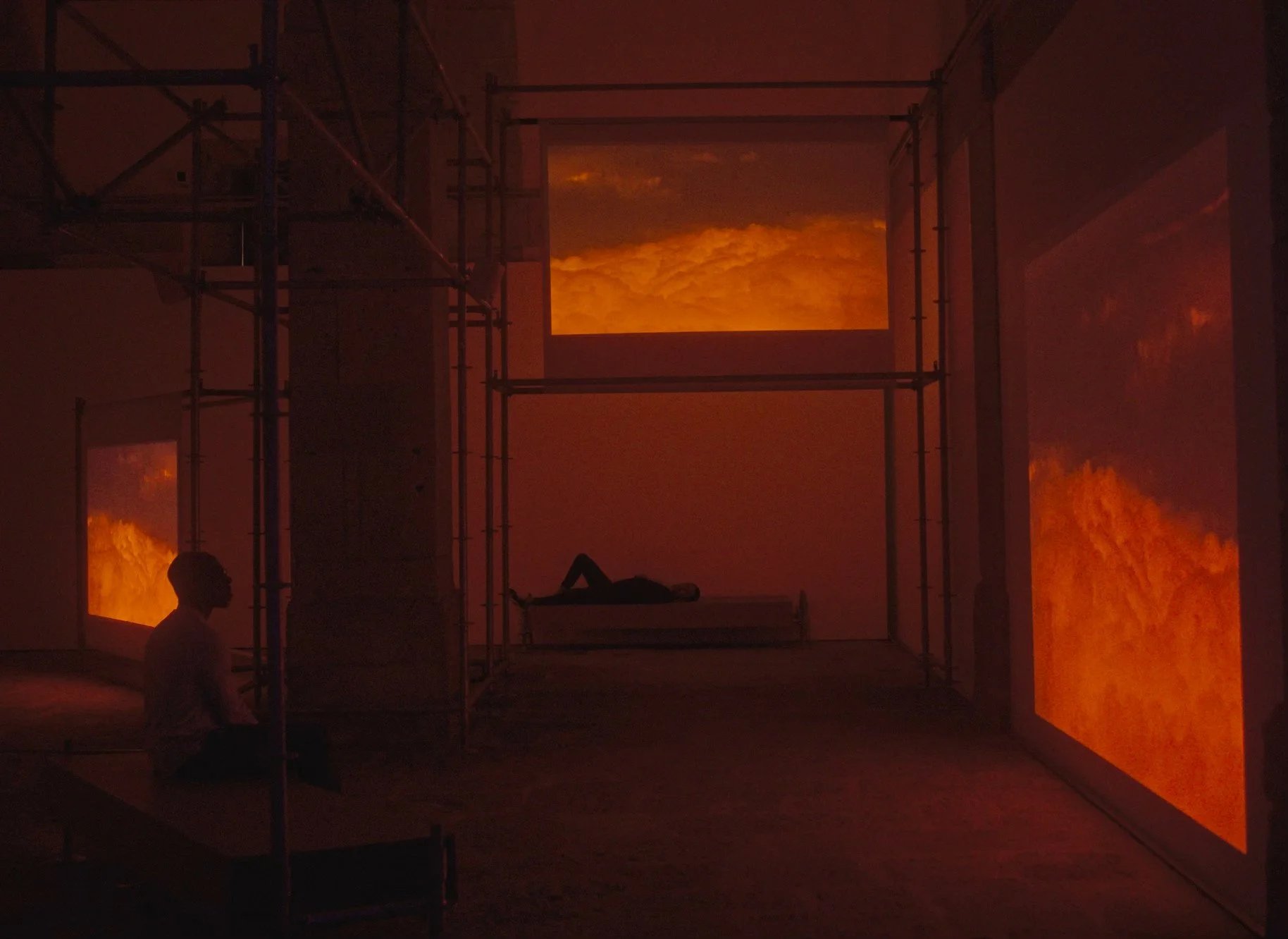
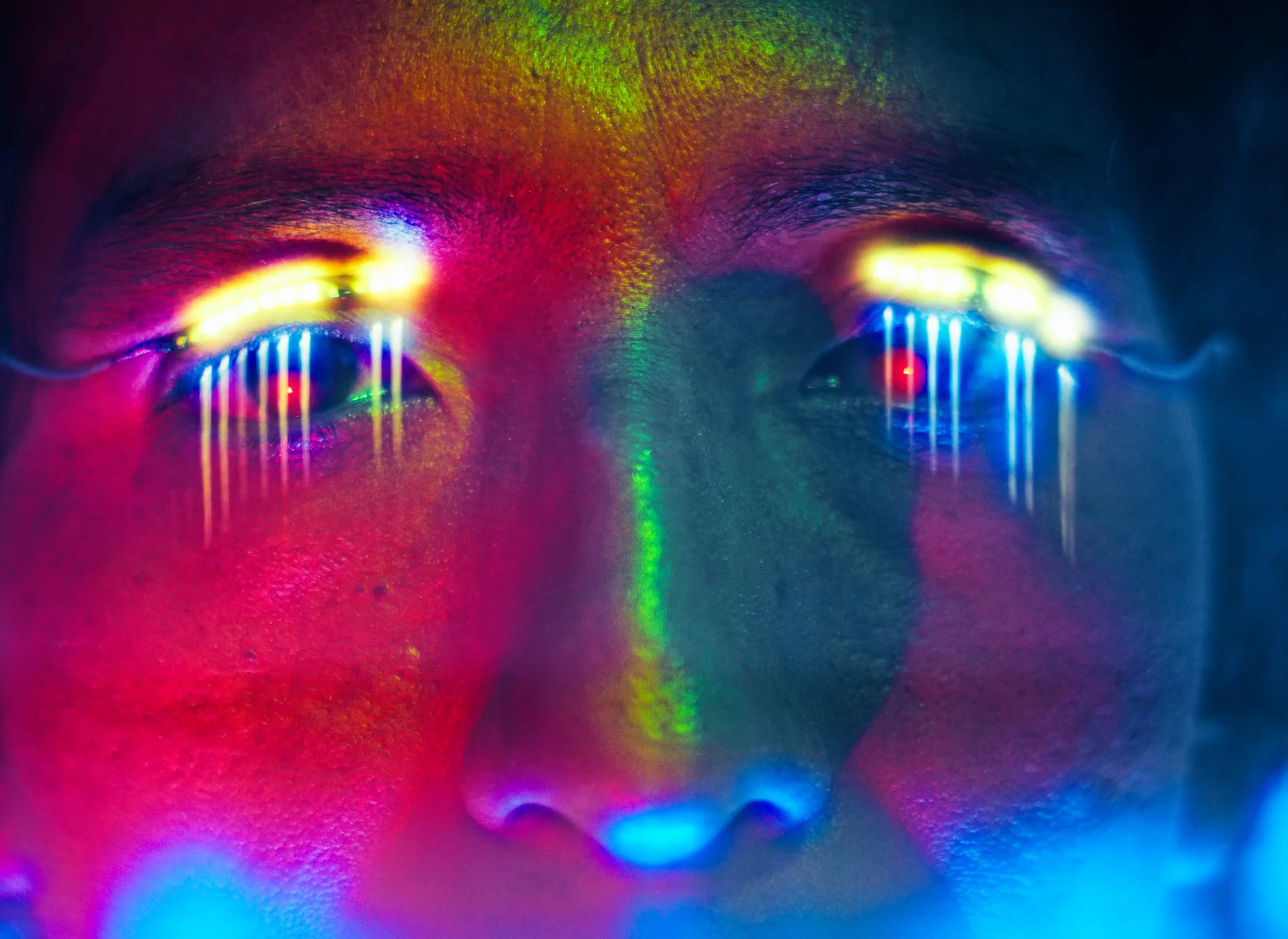
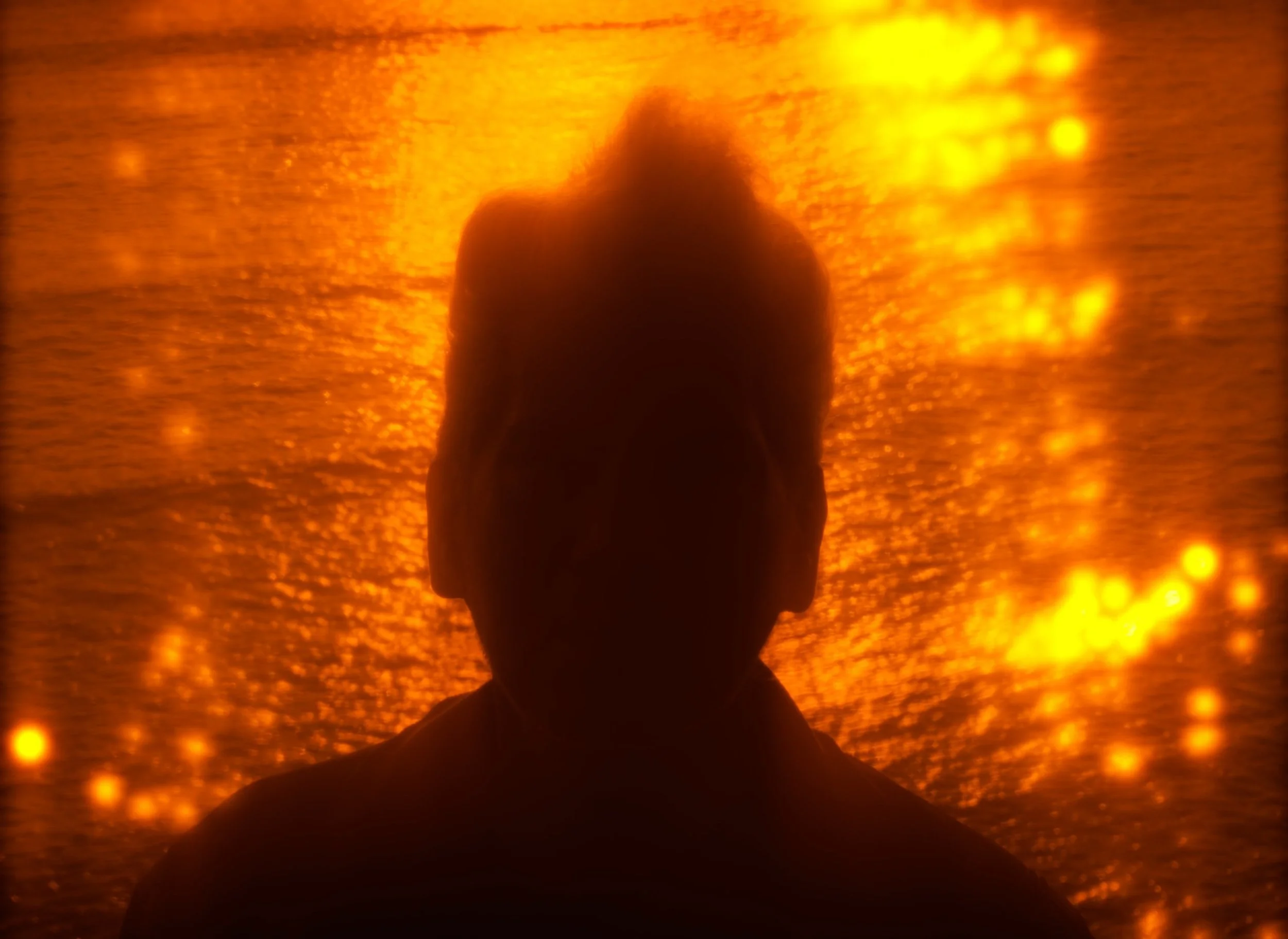
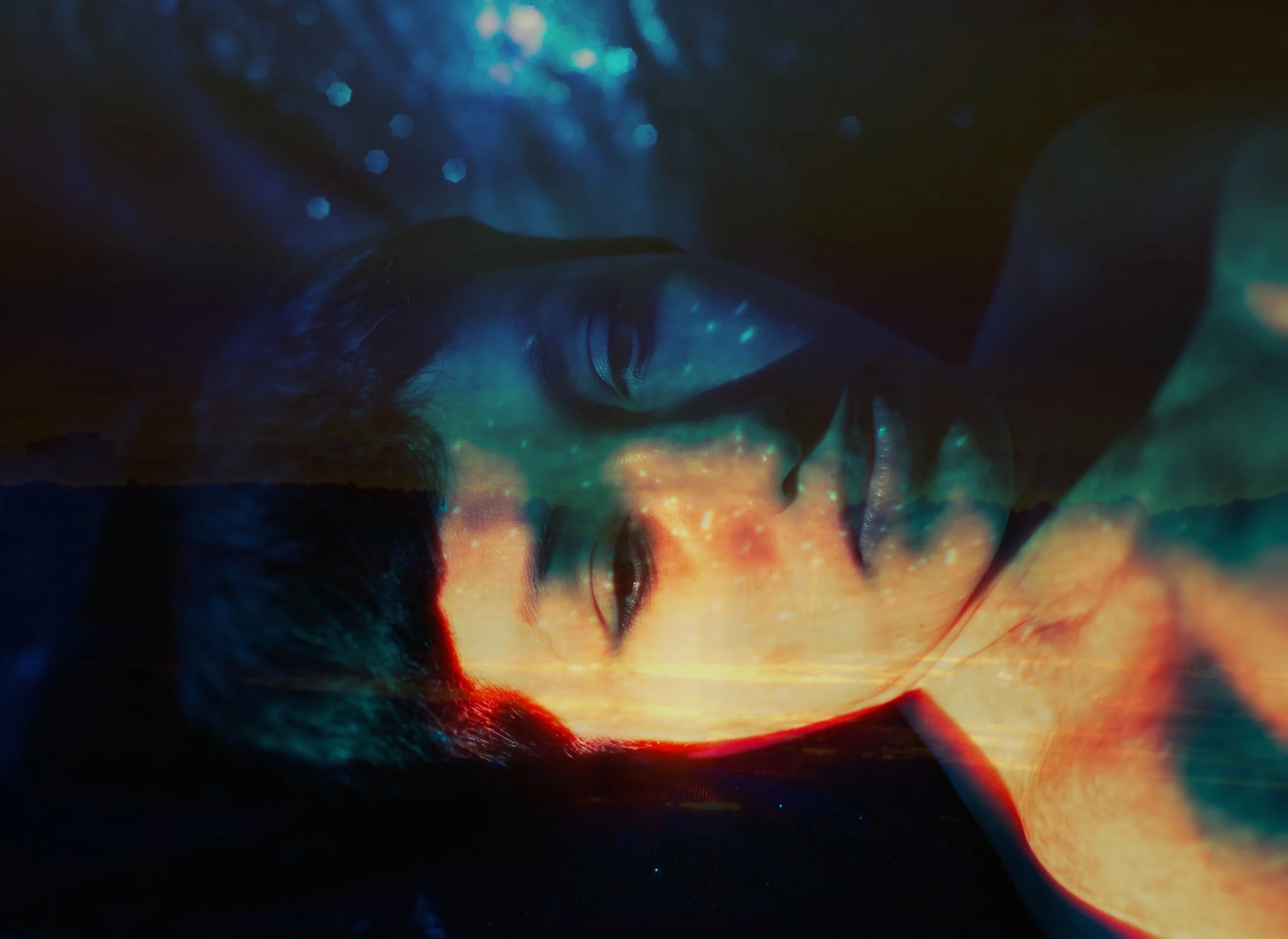
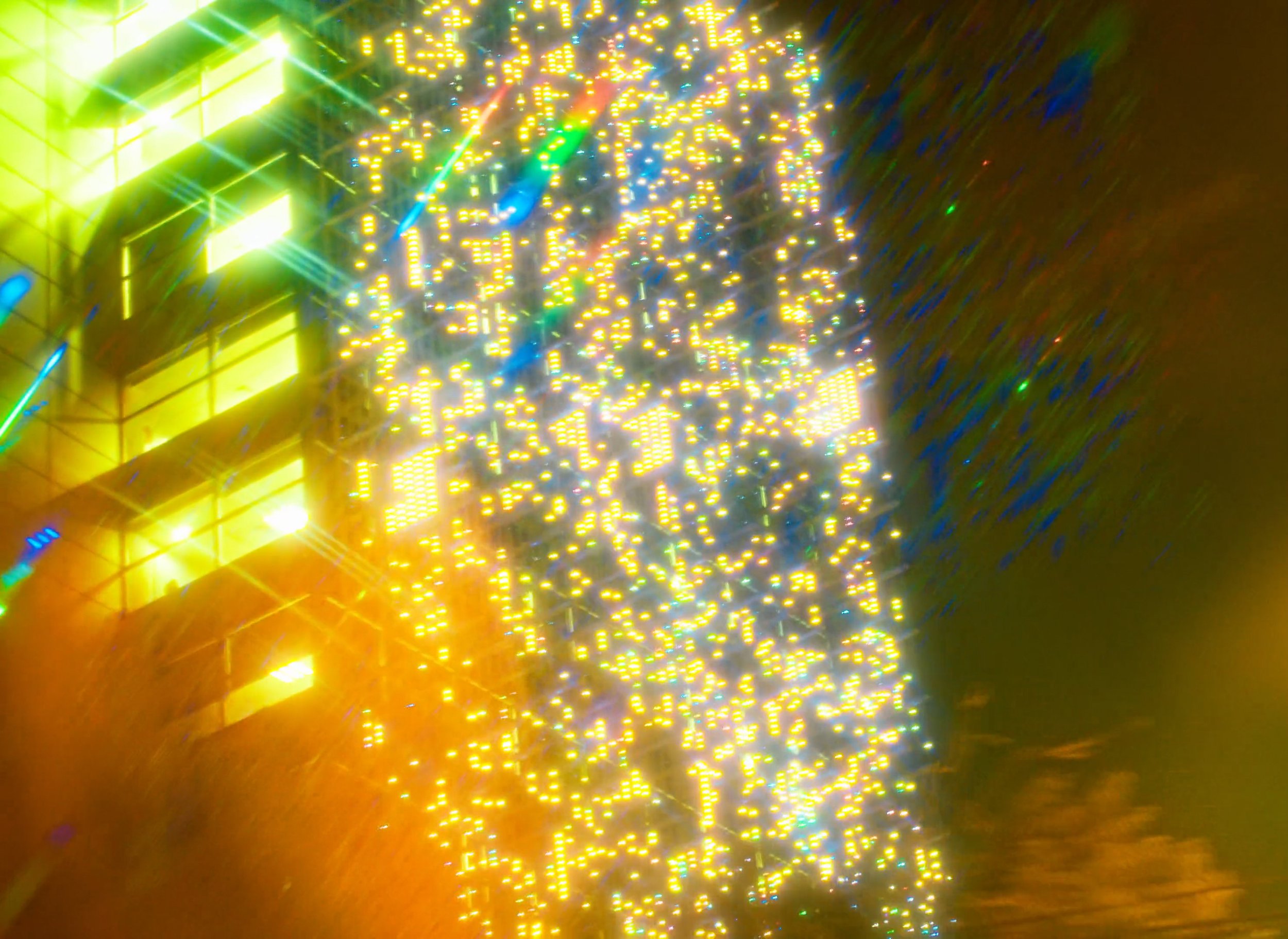
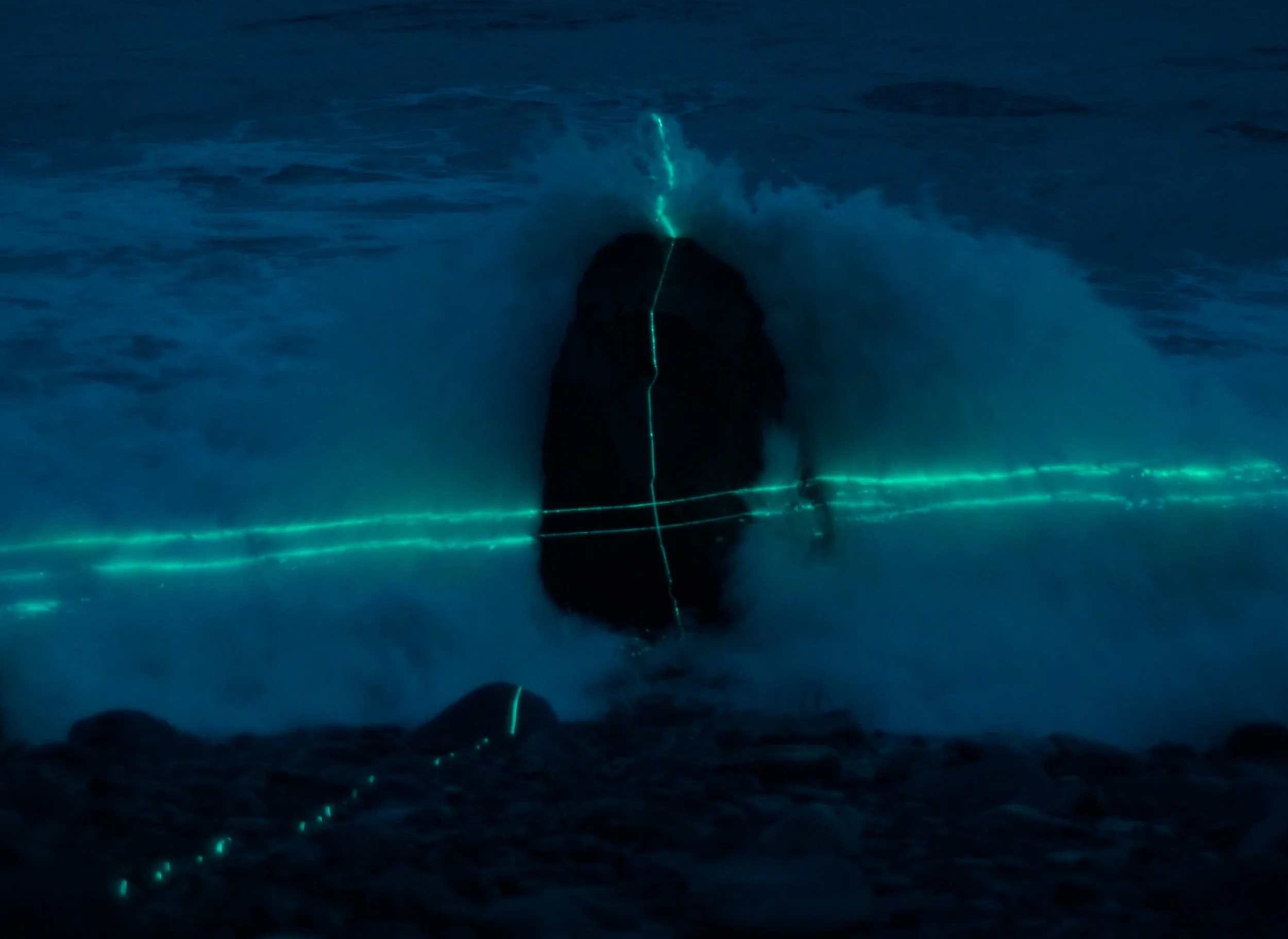
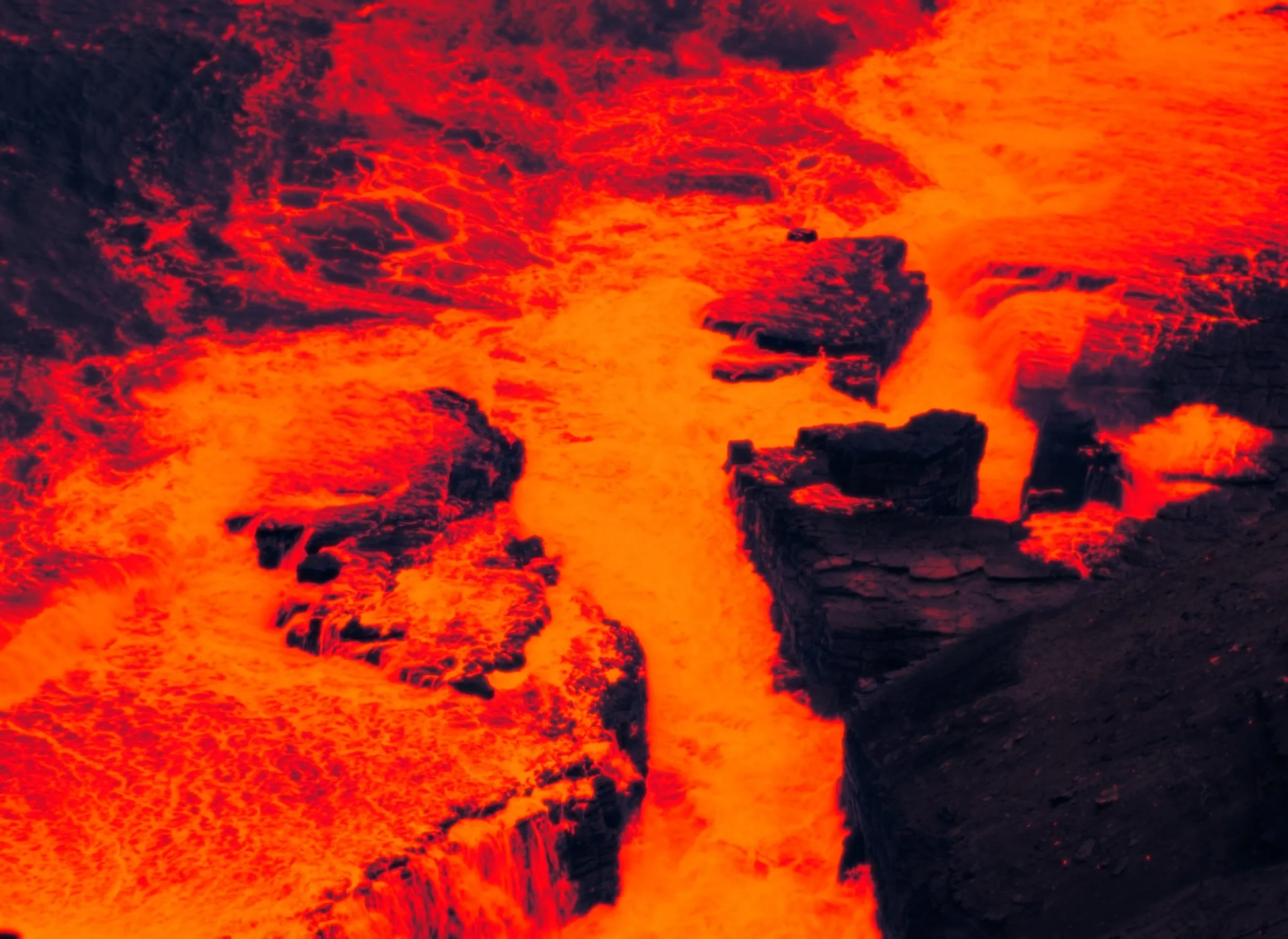
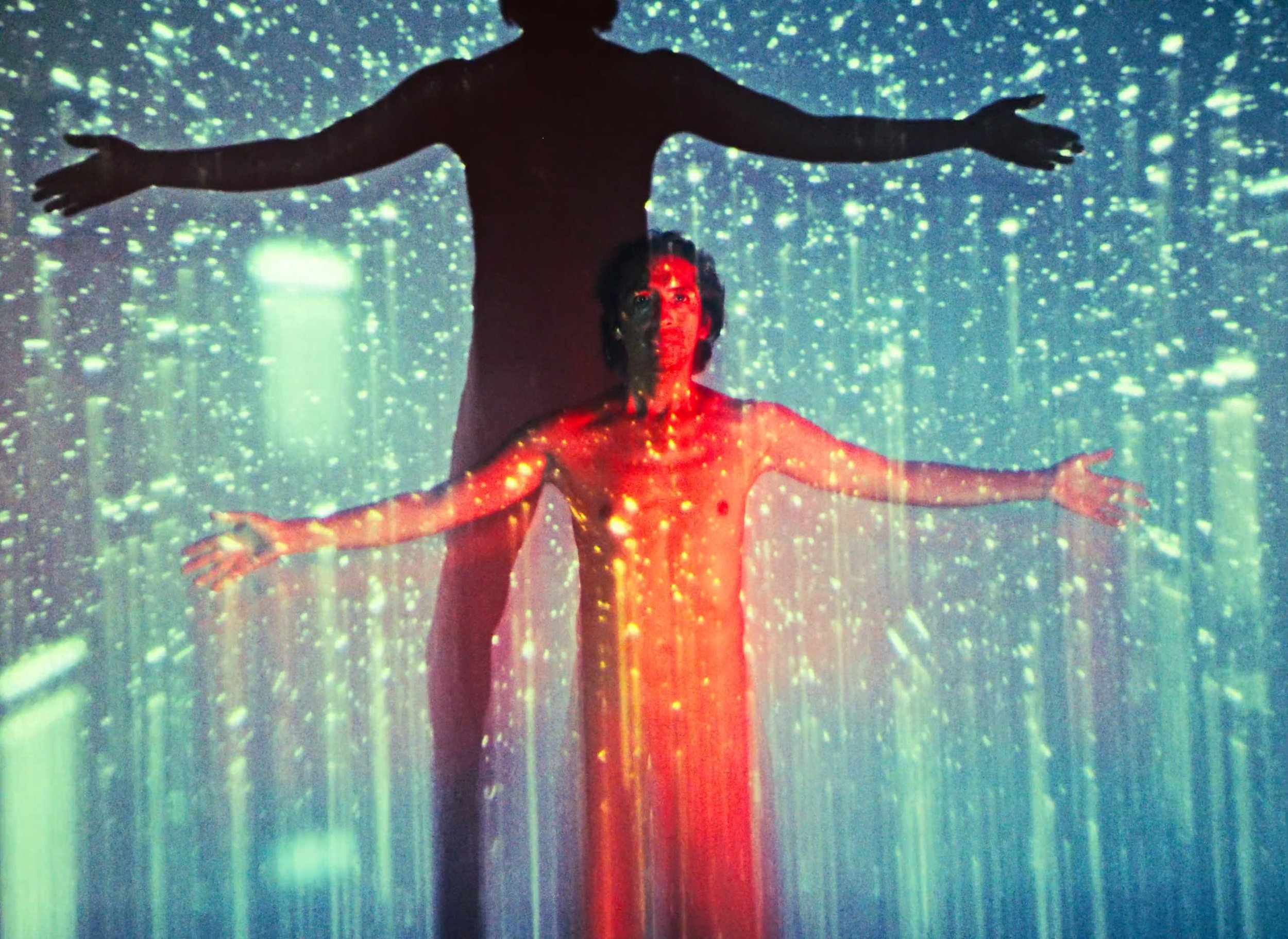
En una instalación incandescente, como un trance visual, acompañada por sonidos selváticos, imágenes de maquinaria astronómica, siluetas danzantes, neones, una luna roja, bosques incas rojos, atardeceres, haces láser, lámparas LED y flores fosforescentes, todo se entremezcla: una especie de Baraka bajo los efectos del ácido. Con sus luces artificiales, los artistas se convierten en médiums de una experiencia espiritual, conectando los cuerpos con su materia prima: “el polvo de estrellas.”
“Modificar los colores naturales cambia las percepciones y nos permite reconectarnos con la naturaleza mental y espiritualmente”, explican Prin Rodriguez y Fernando Criollo, llegados desde Lima. “Queremos establecer una conversación con los espíritus del mundo. Al final, todo está vivo, incluso los edificios, porque están cargados con las historias de quienes vivieron allí.”
- Clémentine Mercier / Libération (Francia)

The expression "writing with light," in relation to photography, comes from the Greek etymology phôtós, meaning "light," and gráphô, "to write." Used indiscriminately, it has become a cliché within this relatively recent art form that, nearly two centuries ago, revolutionized our relationship with the world. But in Portugal, at the 2025 Porto Photography Biennial, it recovers its full meaning, imbued with a singular soul.
First and foremost, it is the commitment of its two artistic directors, artists themselves, that illuminates this young biennial born in 2019. "We believe in art and photography as engines of change," say Virgílio Ferreira and Jayne Dyer enthusiastically, having designed a program that is entirely free and connected to contemporary concerns. "Porto was missing an event like this. It is a photogenic city, but also a city of photography," says Ferreira, a native of the city. The municipality invests heavily in culture, renovates exhibition spaces, and supports programs and grants for artists. "In Porto there is energy to create things, to move forward, and not only in the artistic sphere."
(...)
Observing the rupture with natural elements and the impossibility of seeing the sky in contemporary cities, the Peruvian collective Pariacaca invokes a fictional star: Quyllur α, "the brightest star" in Quechua.
In an incandescent installation, like a visual trance, accompanied by jungle sounds, images of astronomical machinery, dancing silhouettes, neons, a red moon, red Incan forests, sunsets, laser beams, LED lamps, and phosphorescent flowers, everything intertwines: a kind of Baraka under the effects of acid. With their artificial lights, the artists become mediums of a spiritual experience, connecting bodies to their raw material: "stardust."
"Modifying natural colors changes perceptions and allows us to reconnect with nature mentally and spiritually," explain Prin Rodriguez and Fernando Criollo, who traveled from Lima. "We want to establish a conversation with the spirits of the world. In the end, everything is alive, even buildings, because they are charged with the stories of those who lived there."
- Clémentine Mercier / Libération (France)