MIENTRAS MÁS BRILLA UNA ESTRELLA…
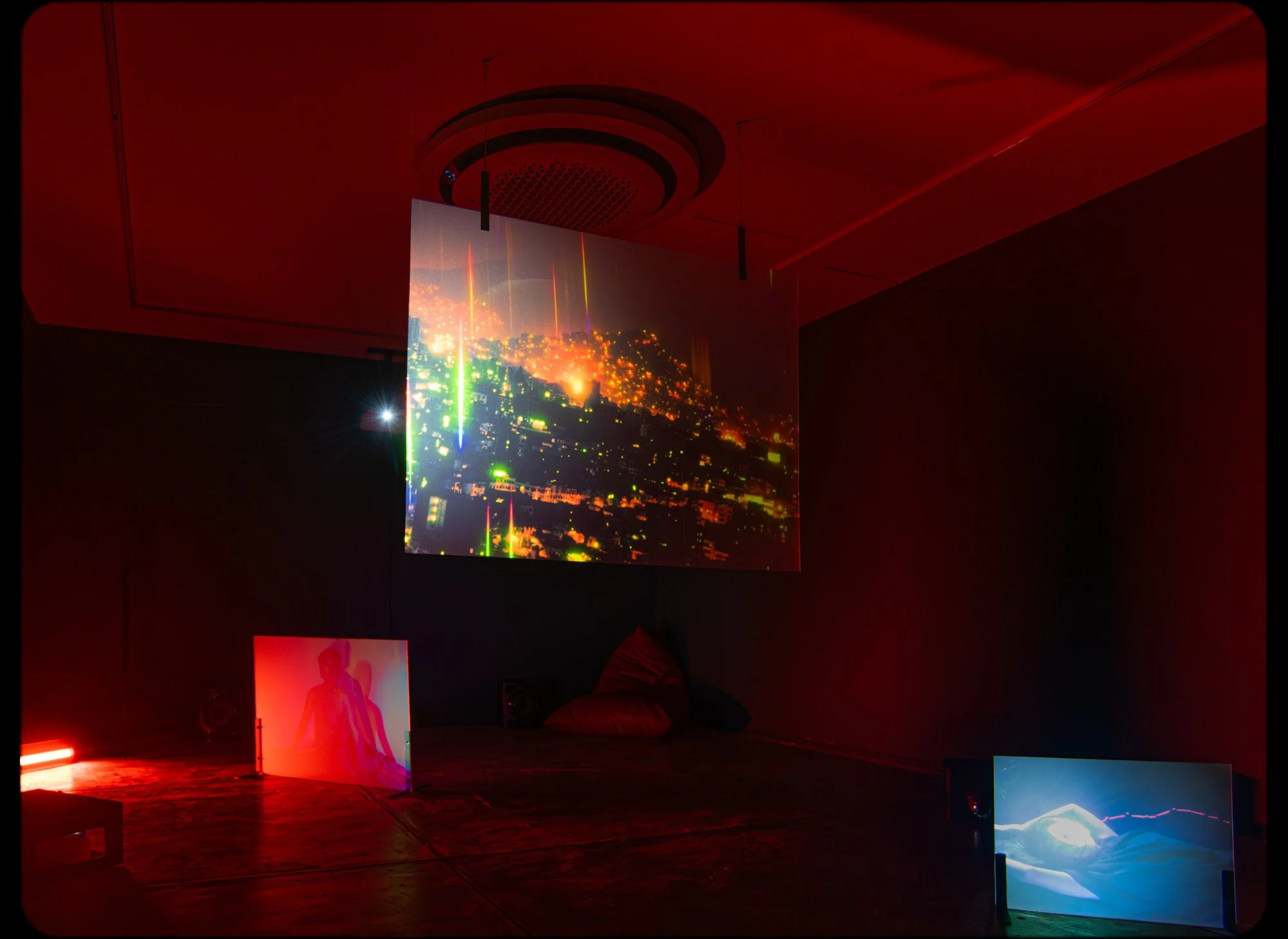
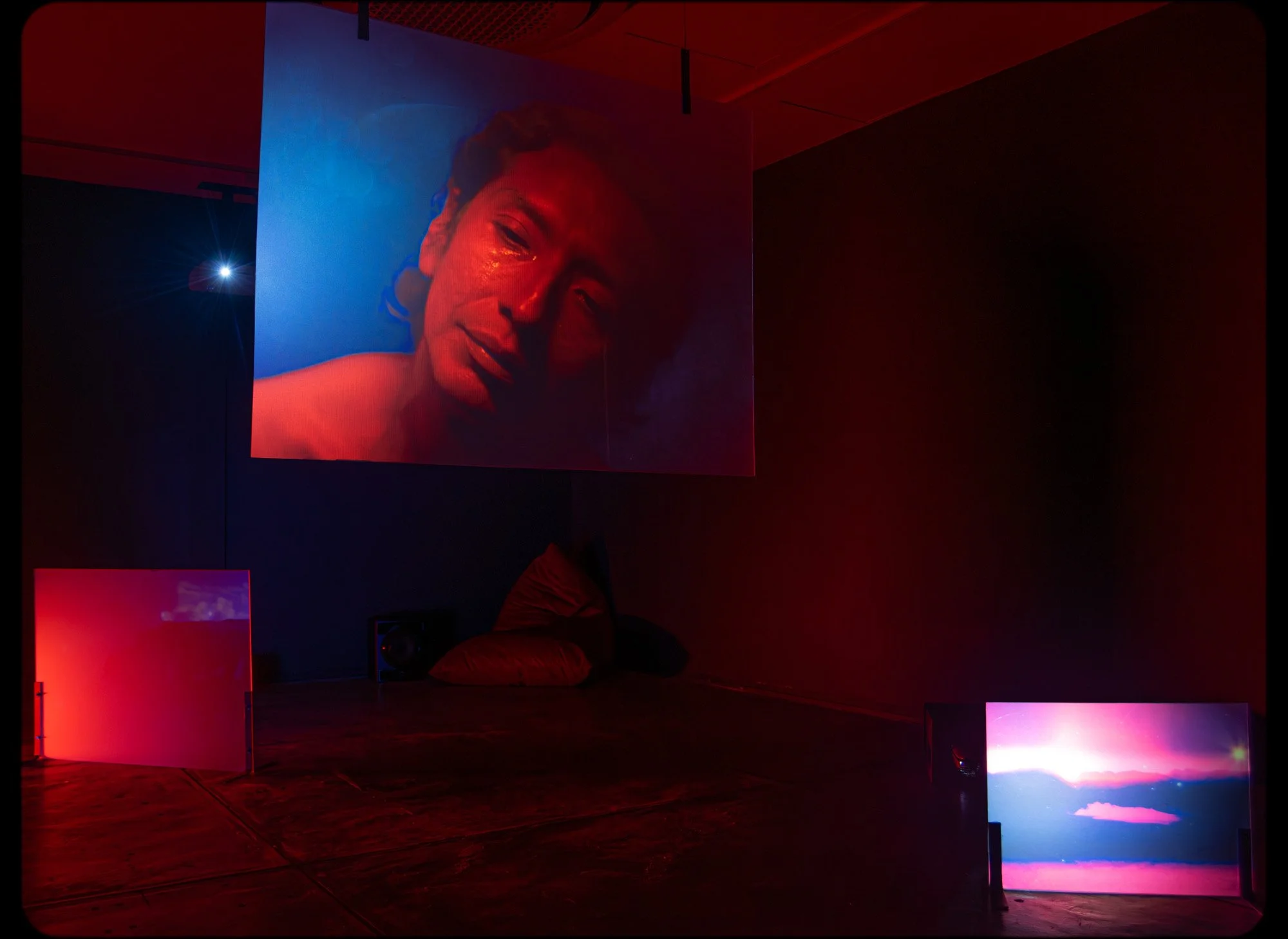
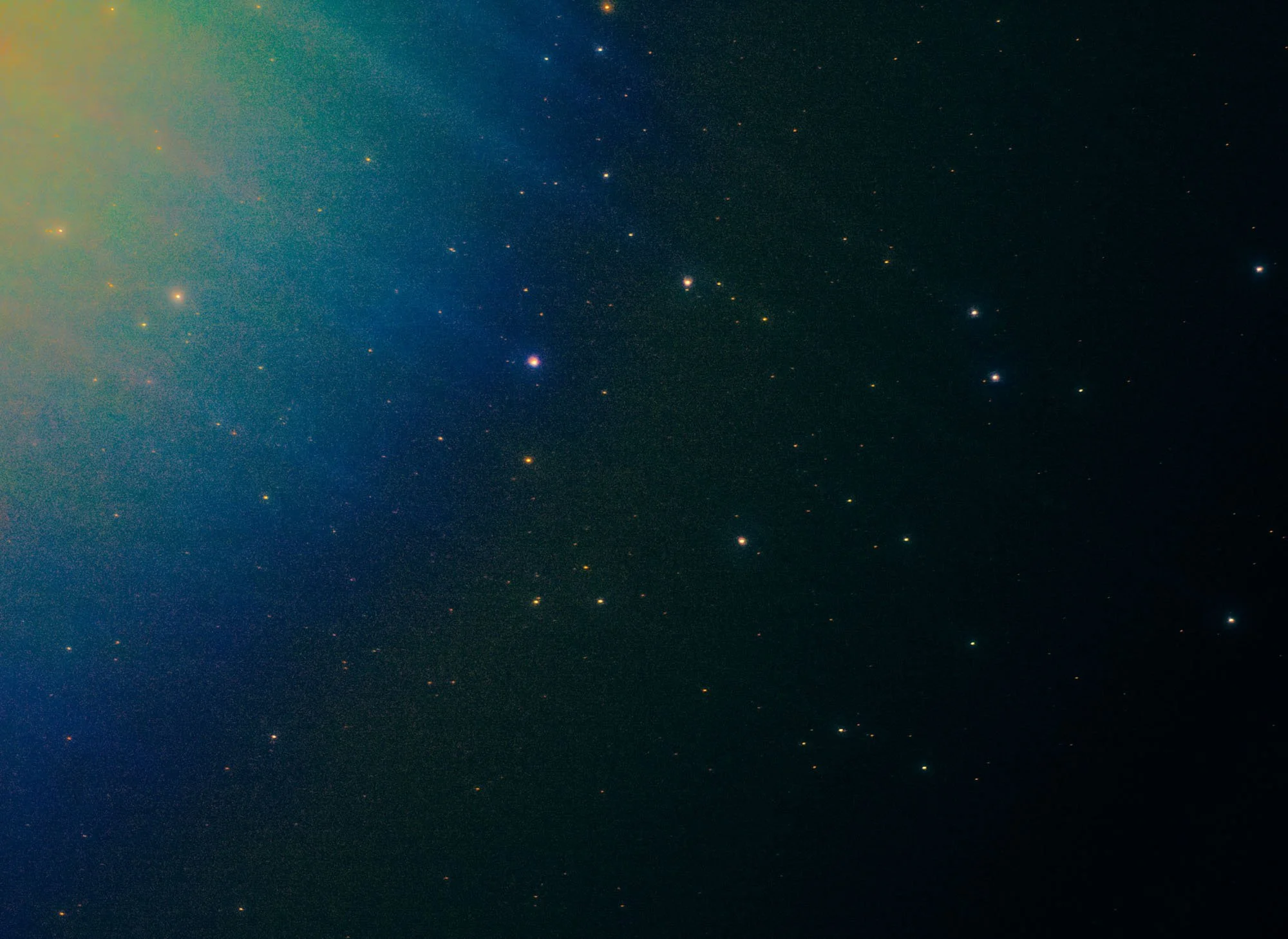
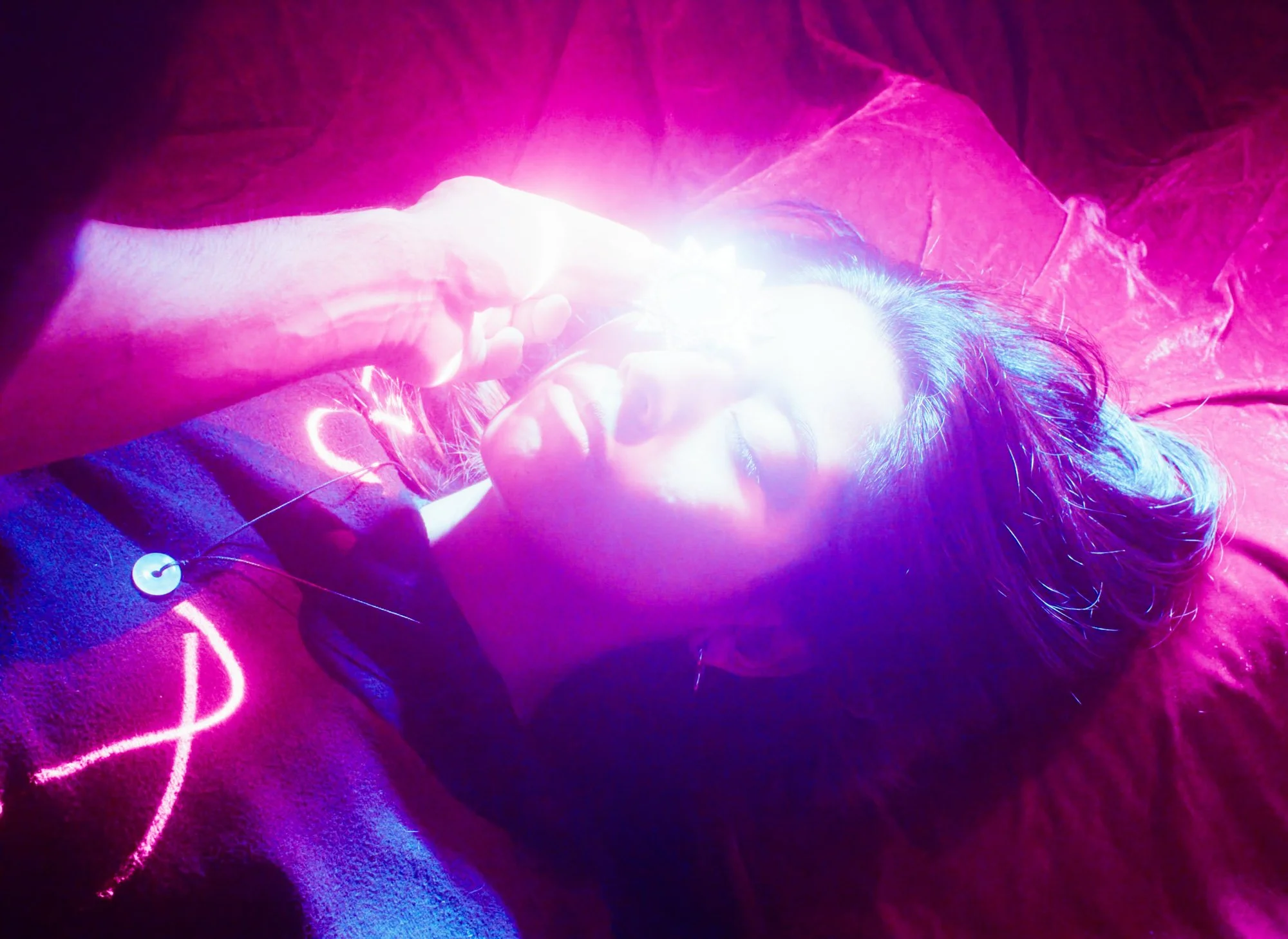
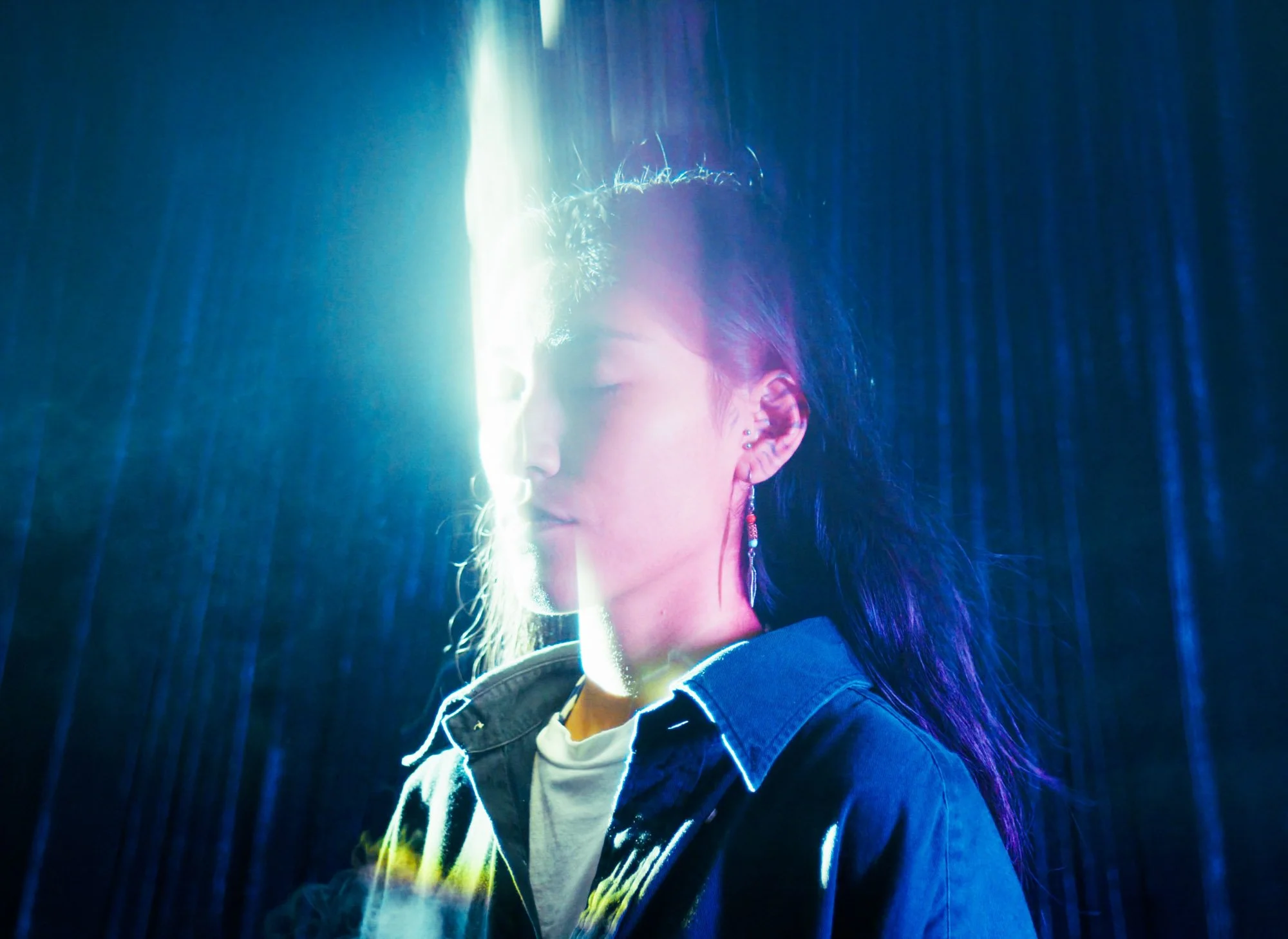
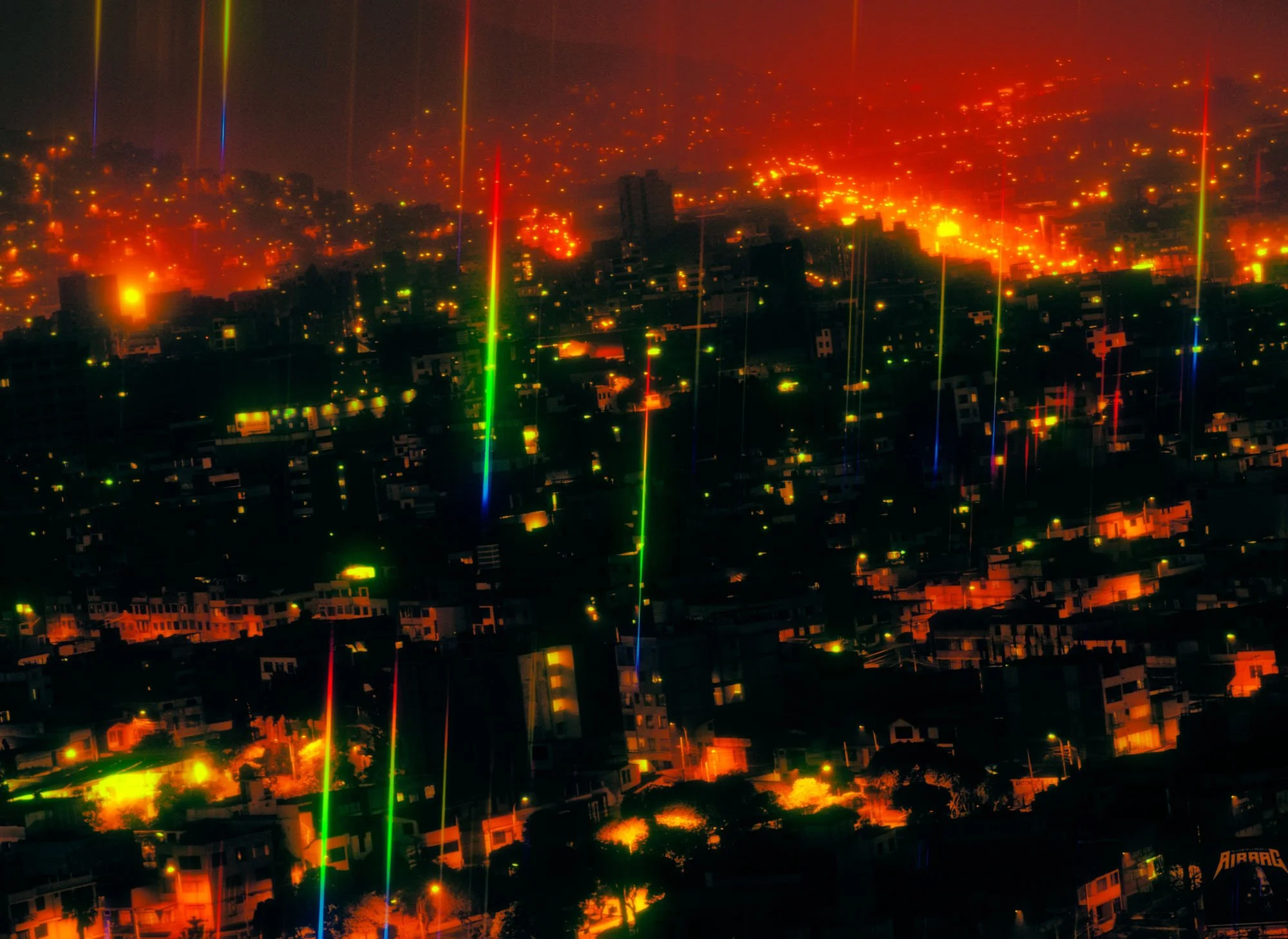
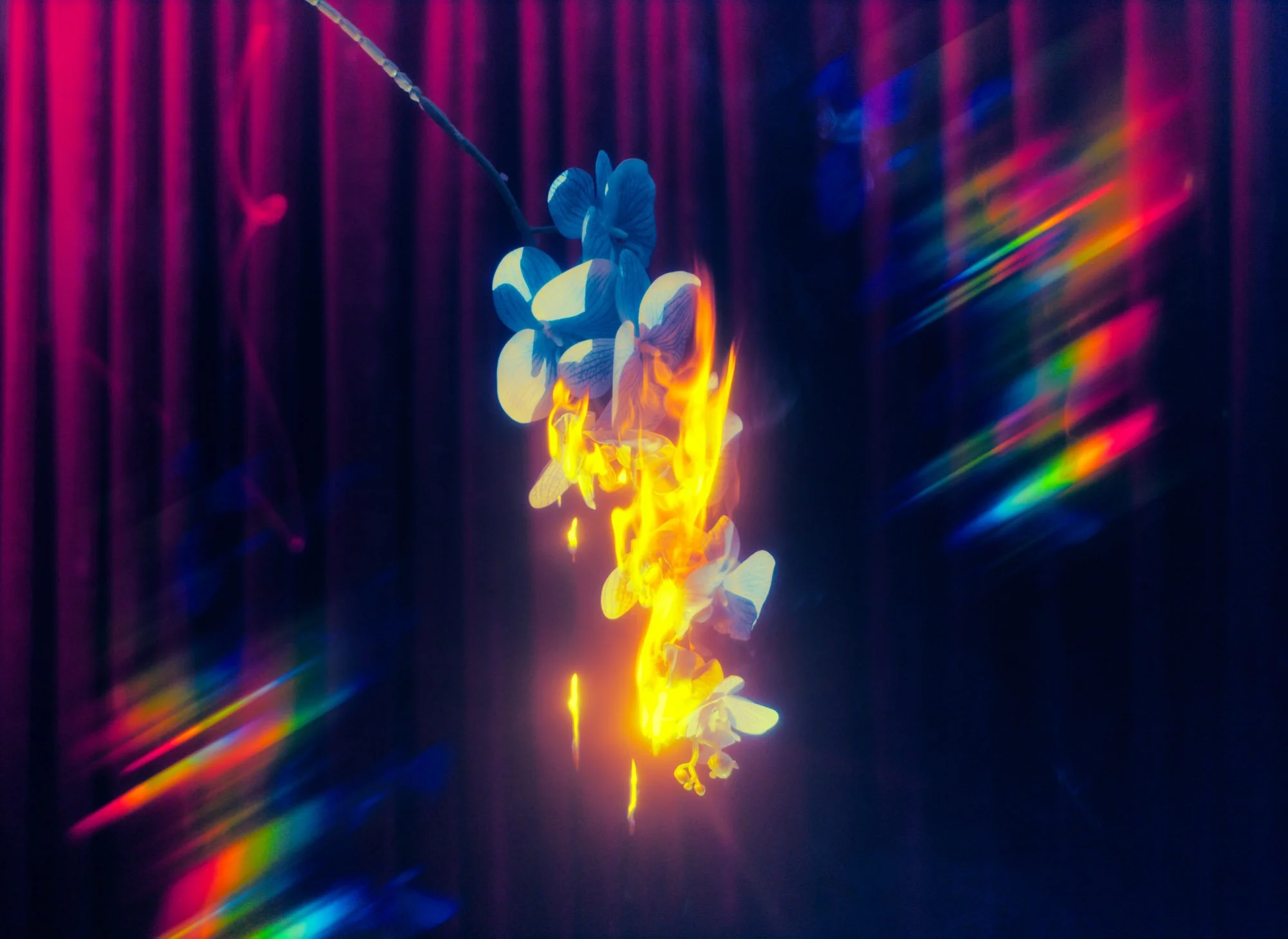
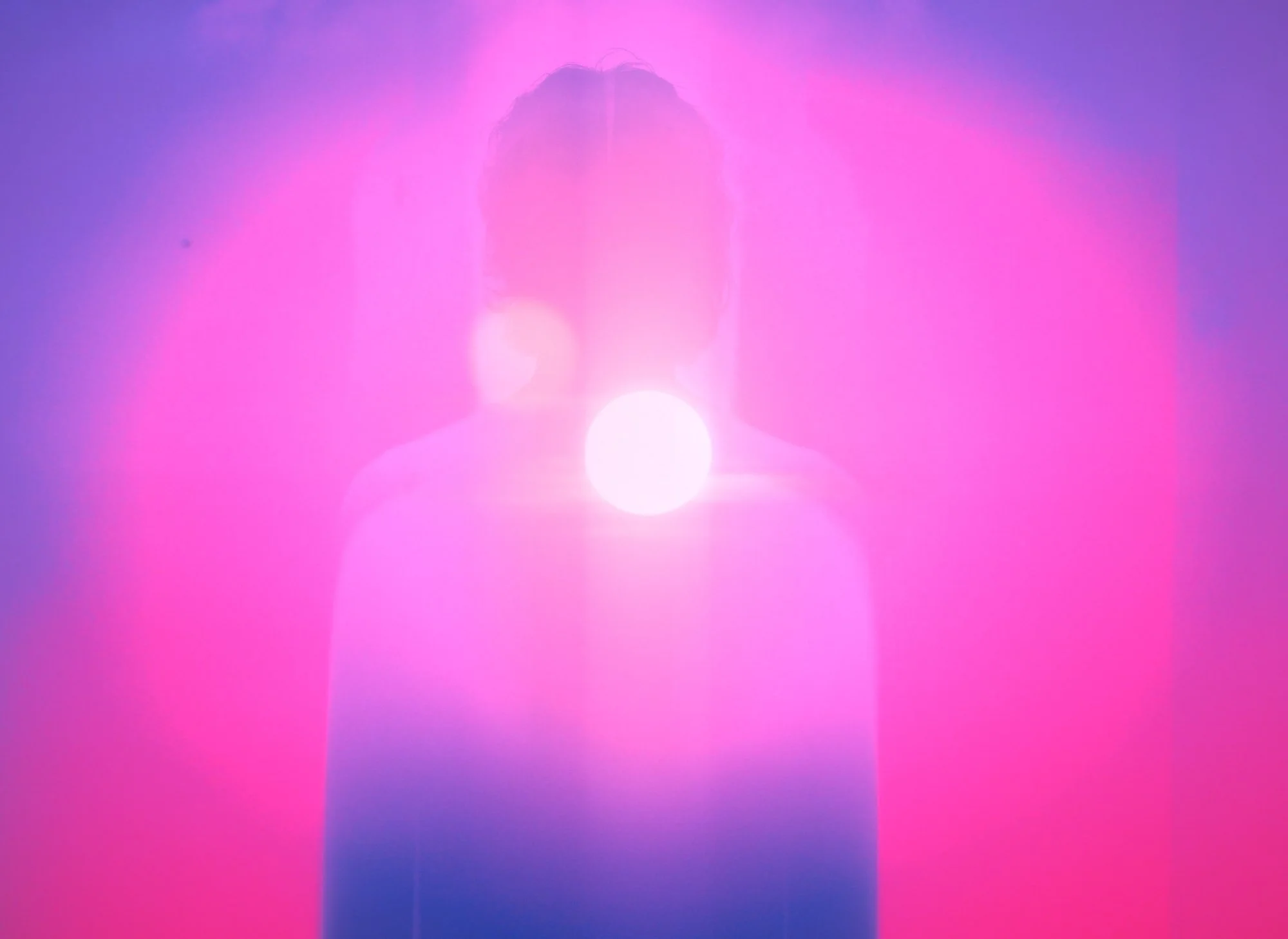
En un paisaje de imágenes oníricas, saturadas y hechizantes, "Mientras más brilla una estrella..." del cineasta Fernando Criollo planta el escenario de un film intenso, una antro paralela donde se entra cómo se entra en meditación. El azul, el verde, el rosa de los paisajes industriales nocturnos se entrecortan con retratos íntimos, espectros semihumanos semientidades cuya mirada sostiene la del espectador. Una obra sensual y magnética, que parte de un postulado paradójico, cuanto más brilla una estrella, más se acerca a su fin.
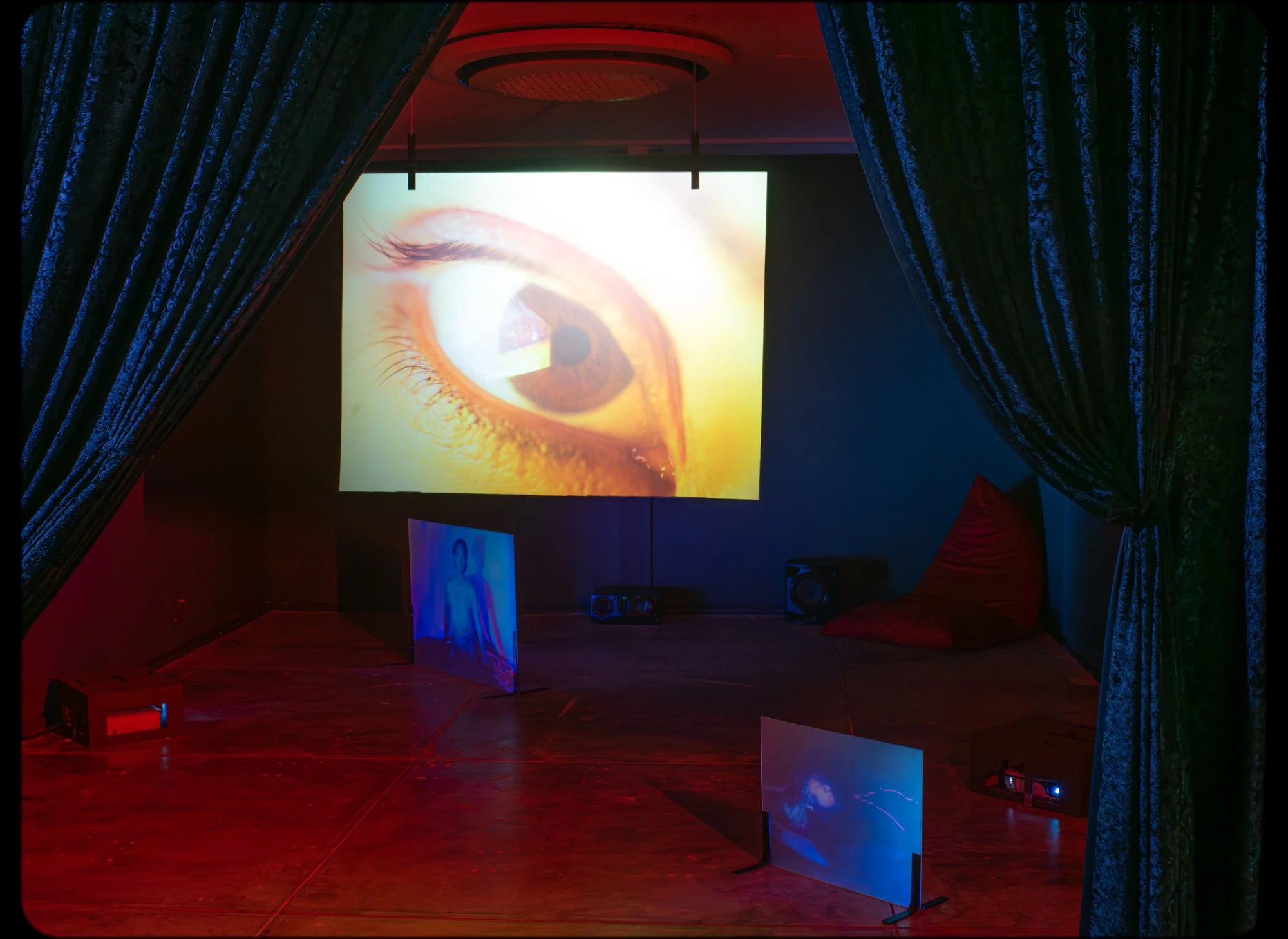
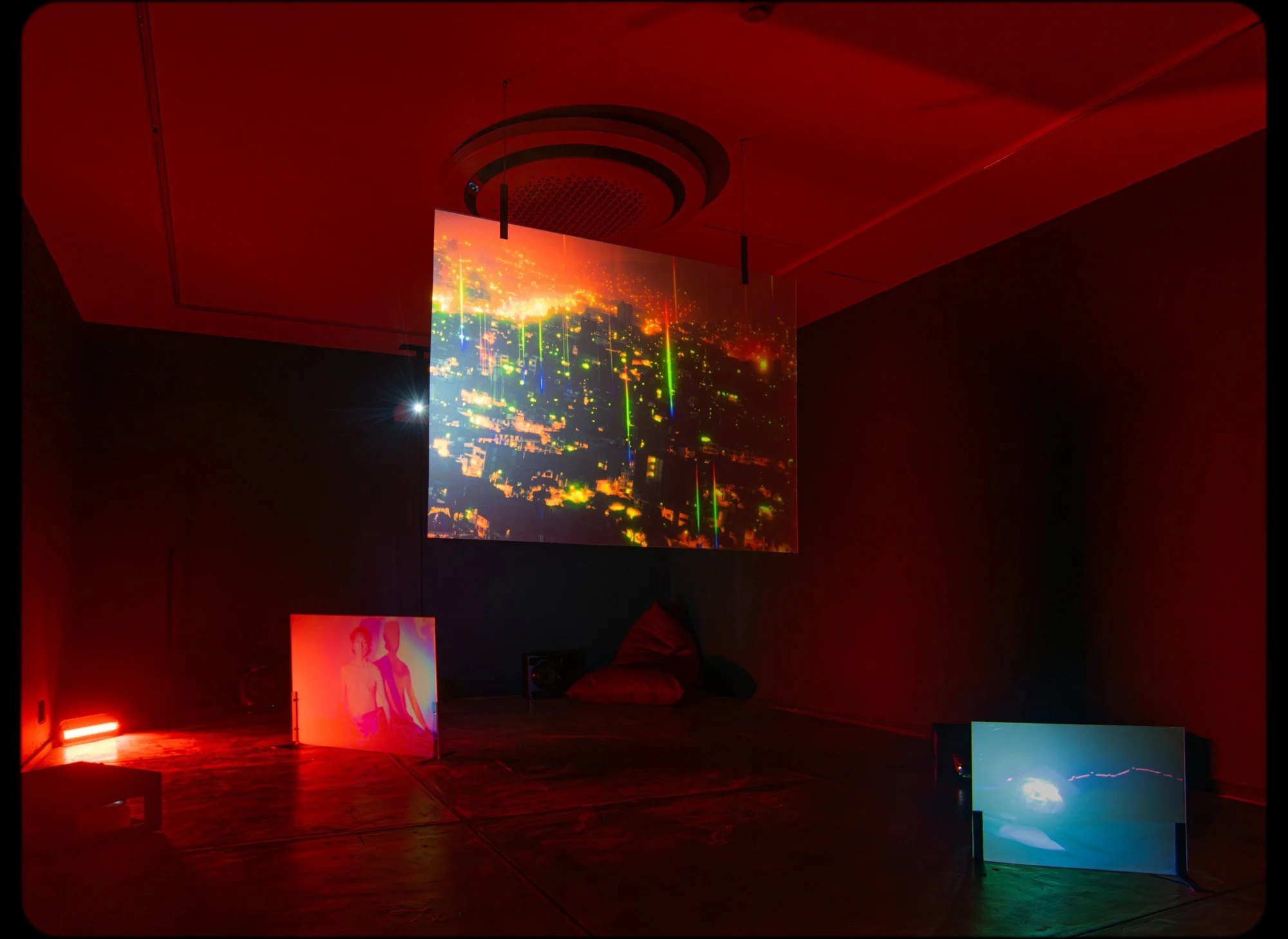
La instalación desborda el marco de la pantalla para proyectarse en la sala, las imágenes nunca se fijan del todo, se deshacen en el cuerpo que las mira, y el ojo se empaña a su vez de una luz doble, la de la ciudad y la, más antigua, del cielo nocturno, sin que siempre se sepa cuál contamina la otra.
Se trata bien de un ritual. En numerosas cosmovisiones, el instante del nacimiento fija la posición de los astros en una carta del cielo. La obra propone una visión cíclica de la vida y la muerte, donde creación y destrucción pertenecen a un mismo aliento, hasta que lo humano y lo cósmico se vuelven indiscernibles, antes de que el círculo regrese a su comienzo, y el ciclo recomience.
In a landscape of dreamlike, saturated, mesmerizing images, "The Brighter a Star Shines..." by filmmaker Fernando Criollo sets the stage for an intense film, a parallel realm entered the way one enters meditation. The blue, the green, the pink of nocturnal industrial landscapes cut across intimate portraits, half human, half entity specters whose gaze holds that of the viewer. A sensual and magnetic work, built on a paradoxical premise: the brighter a star shines, the closer it comes to its end.
The installation overflows the frame of the screen to project into the room; the images never fully settle, they dissolve into the body that watches them, and the eye in turn grows clouded by a double light, that of the city and the older light of the night sky, without it always being clear which one contaminates the other.
It is indeed a ritual. In many cosmovisions, the moment of birth fixes the position of the stars in a birth chart. The work proposes a cyclical vision of life and death, where creation and destruction belong to the same breath, until the human and the cosmic become indistinguishable, before the circle returns to its beginning, and the cycle begins again.
- Elia-Rosa Guirous-Amasse